
July 22, 2026 · Culture & Heritage
A Kingdom in Mourning, A Kingdom Renewed: BotangRecords Documents the Transition of the Kom Throne
A sacred "disappearance," a matrilineal succession three centuries in the making, and a new Fon crowned at Laikom; BotangRecords was there with a camera and a microphone, telling the story as it unfolded.
Laikom, Kom Kingdom, Boyo Division, Northwest Region, Cameroon
BotangRecords' Facebook announcement, July 20, 2026: "Just three days ago, we posted a video of the Lion of Kom... Sadly today with heavy hearts, we share the news of his missing."
On Sunday, July 19, 2026, His Royal Majesty Foyn Clement Ndzi II, the 15th Fon of the Kom Kingdom, passed away at the royal palace in Laikom after a brief illness, following a nine-year reign. In Kom tradition, as in several other fondoms of Cameroon's Grassfields, a Fon's death is never announced as a death. He is instead declared "missing," or to have "disappeared": language that marks his transition from the world of the living to the world of the ancestors, and reflects his standing not just as a political leader but as the kingdom's spiritual custodian. BotangRecords shared the news the same way the kingdom itself did: with reverence, and with the customary language the moment demanded.
What followed was one of the most significant cultural events in Kom's recent history, and BotangRecords was there for nearly all of it, documenting the mourning, the sacred rites, and the coronation that followed through Facebook posts, YouTube livestreams, and hosted discussions that gave a global diaspora audience real-time access to a moment many of them could not travel home to witness in person.
A three-century-old process, set in motion
The Kom Kingdom traces its origins to three founding clans (Ikui, Itsinala, and Achaf) who migrated together and settled at Laikom, the kingdom's ancestral capital. While the royal bloodline runs through the Ikui clan, the Fon is not chosen from the clan broadly; the succession follows a matrilineal line, drawn from a specific royal branch, and the identity of the next Fon is not made public knowledge in advance. Guiding that process is Kwifoyn, the kingdom's sacred governing council, together with two hereditary King Makers (one from each of the other two founding clans) who serve for life once appointed and who alone hold the authority to identify and install a new Fon according to ancestral law.
BotangRecords spoke directly with both of the King Makers currently serving Kom: Yuh Kevin Nsom, the Waindum, representing the Itsinala clan, and Yuh Cyril Kwain, the Nkfein, representing the Achaf clan. Both were raised within Kom tradition (one appointed during Foyn Clement Ndzi II's own reign, the other raised alongside him in the royal palace), and both carried the responsibility of guiding the kingdom's succession rites following his passing. Their offices exist to do exactly what they did in July 2026: ensure continuity, legitimacy, and the preservation of custom during a moment when a kingdom is, by definition, without a king.
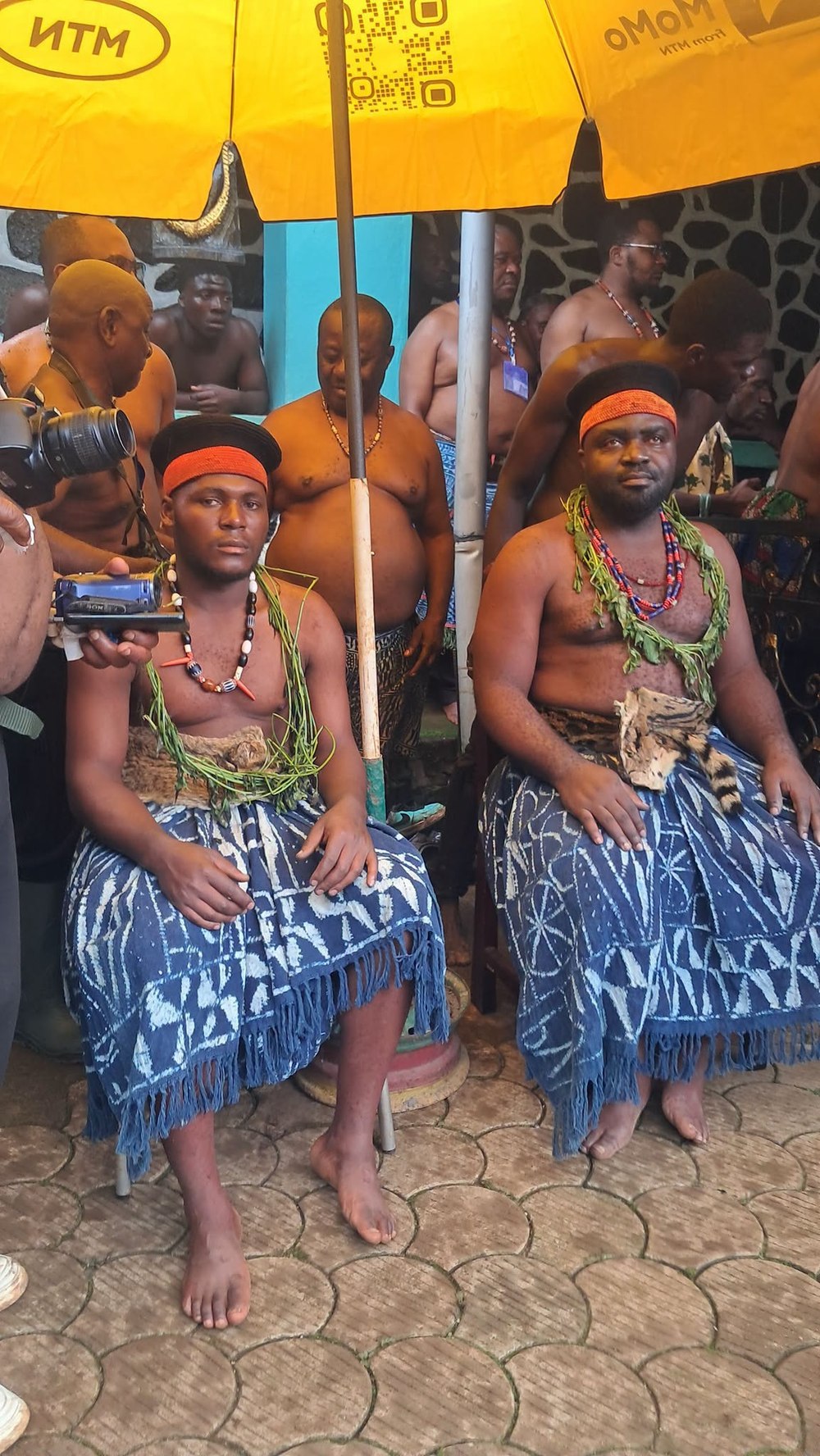
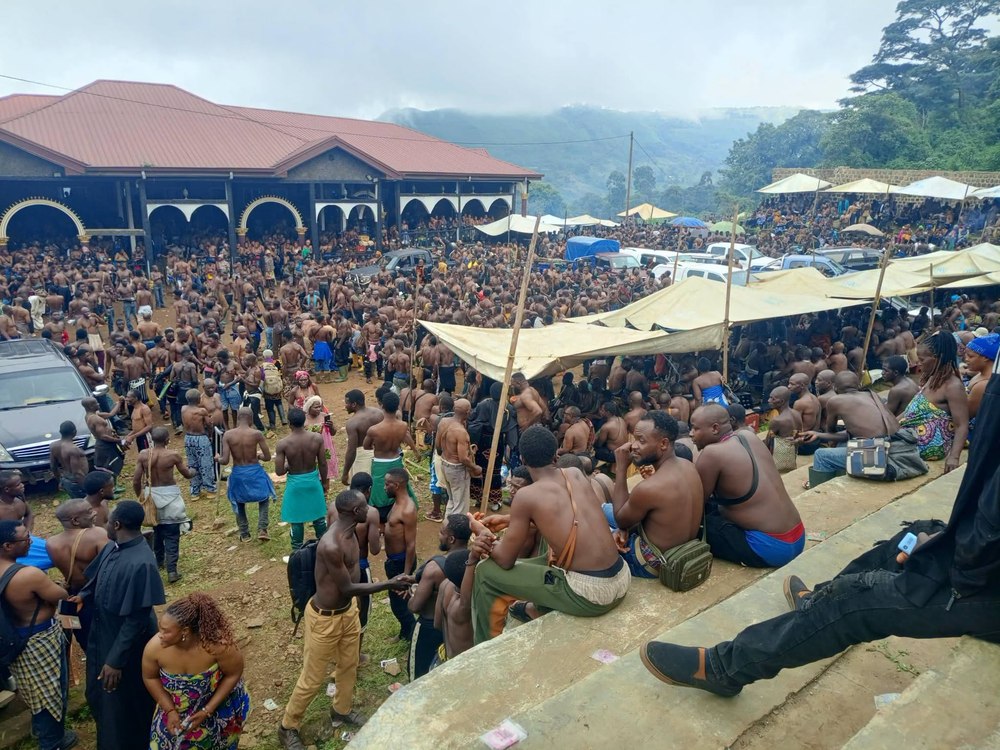
During the mourning period, palace activity was restricted, sacred rites were observed, and (as is customary between Kom and its centuries-old ally, the Nso Fondom) an enclosed royal message was carried to the Fon of Nso, activating a mortuary alliance between the two kingdoms that dates back generations. Mourning rites of this kind also carry distinct traditional dress customs (including forms of dress that differ sharply from everyday or Western norms), practices that have long drawn public curiosity and, this year, a wave of renewed attention on social media from a generation encountering them for the first time.
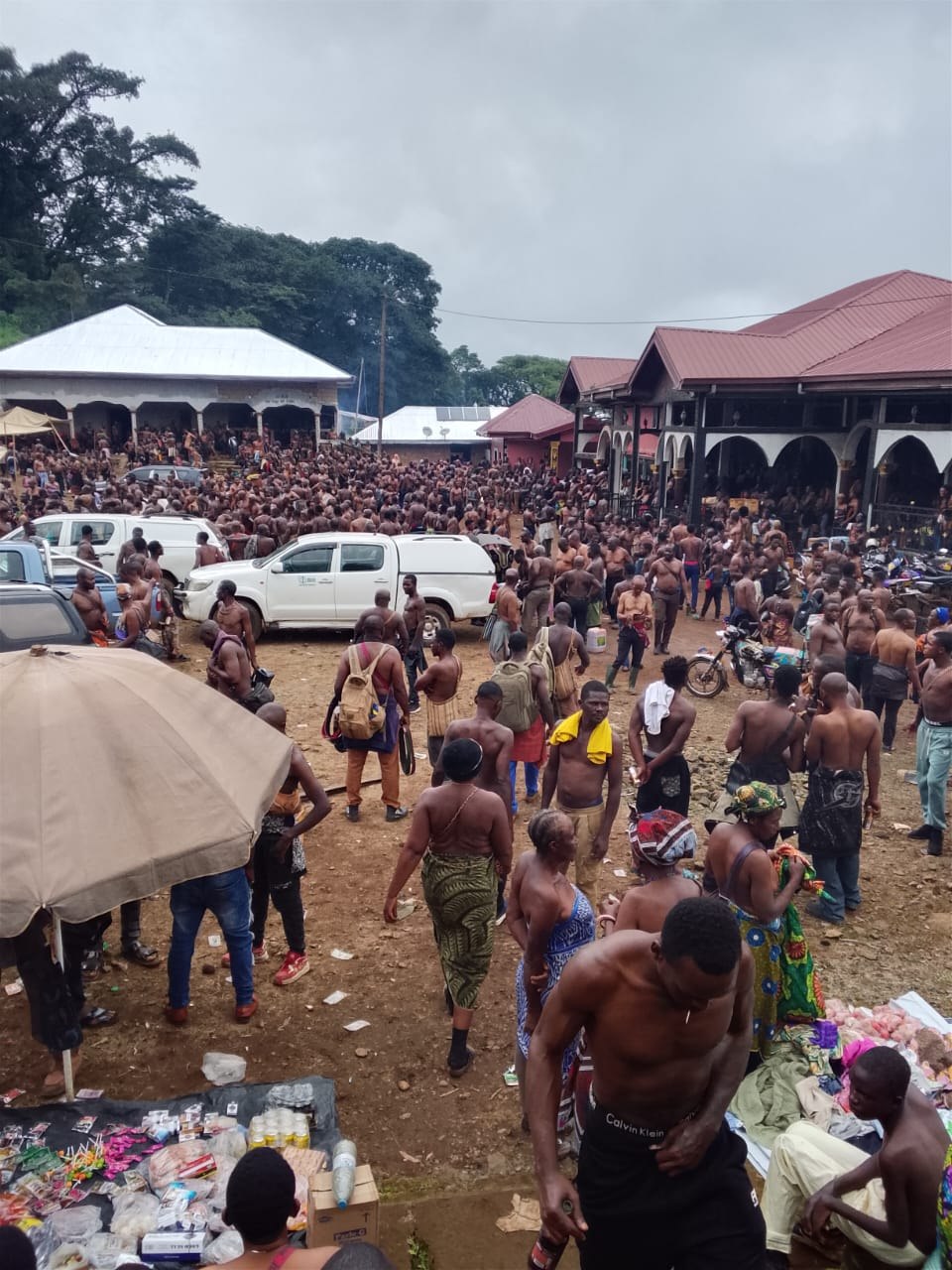

The palace grounds at Laikom during the kingdom's succession rites.
A new Fon at Laikom
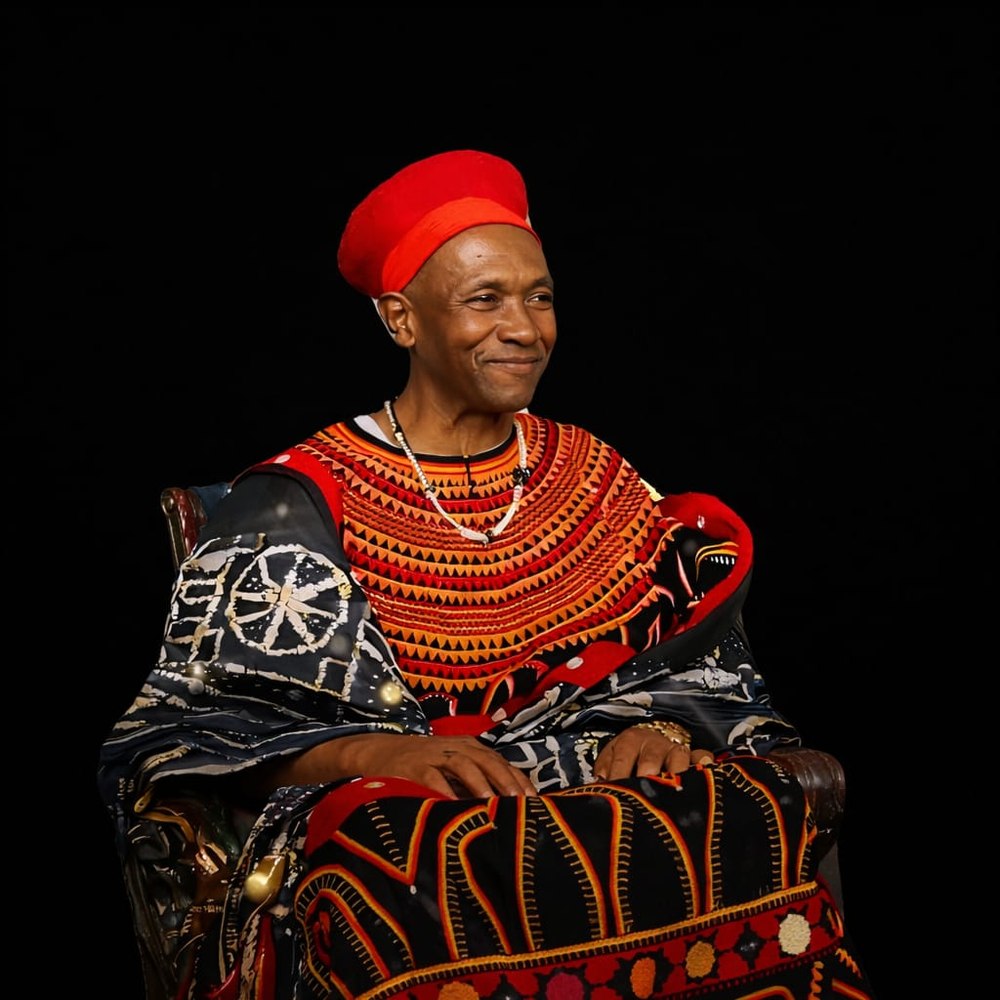
Three days after the kingdom entered mourning, on Wednesday, July 22, 2026, Kwifoyn and the kingdom's King Makers completed the sacred succession process. Foyn Kini Joseph, born in 1973 into the Kom Royal Lineage and a brother of the late Foyn Clement Ndzi II, was crowned the 16th Paramount Fon of Kom at Laikom Palace. Before ascending the throne, he had served nine years as Bo Fuli, Village Head of Fuli, appointed to that role by his brother in 2017, a period the kingdom has pointed to as evidence of the discipline and loyalty that shaped his readiness for the throne.
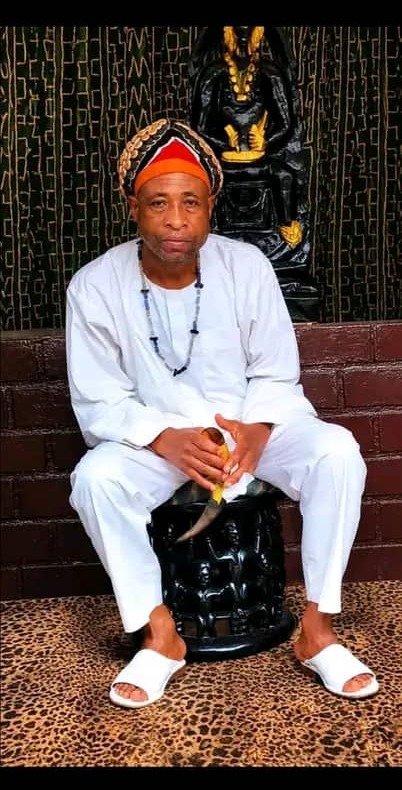
BotangRecords' Facebook announcement, July 22, 2026: "The Kingdom of Kom has a new Paramount Fon... enthroned just moments ago at Laikom by the Kom kingmakers and the sacred Kwifoyn."
Why BotangRecords showed up for this
For an organization whose mission is documenting and preserving African cultural heritage, a transition like this one is exactly the kind of moment that mission exists for. Scholar Bobe Richard Munang, reflecting on the surge of public curiosity the transition set off, put it this way in remarks shared during the mourning period: "Kom is not merely a geographical expression. Kom is a feeling." He went on to describe the moment as an unplanned classroom, young people across social media suddenly asking what the rituals, the dress, the masquerades, and the symbols they were seeing actually meant, many of them realizing they knew more about cultures imported through film and music than about the traditions that shaped their own grandparents.
That is precisely the gap BotangRecords' documentation work is built to close. A livestream, a hosted discussion, a recorded interview with a King Maker: these aren't just news coverage. They're an archive, built in real time, so that the next generation doesn't have to rely on the rest of the world to explain their own kingdom back to them.
Why this matters for what comes next
Culture that isn't documented can be distorted. Culture that isn't taught can quietly disappear. BotangRecords' coverage of the Kom transition (from the first announcement to the coronation at Laikom) is part of the same work as the label's language classes, its Children's Village booths, and its festival stages: making sure Kom heritage is recorded, explained, and carried forward, not left for others to define.
Watch: BotangRecords' livestreams and discussions from the transition are available on YouTube and Facebook.
Learn more: follow BotangRecords for ongoing cultural documentation of Kom traditions and institutions.
Support this work: documenting moments like this one takes time, travel, and resources; donations help sustain it.